
Two-Wheel Balance Runner
Review
Two-Wheel Balance Runner strips away distractions to focus on one tight mechanic: keeping a bicycle upright while moving through platform stages. The controls respond instantly, so every tap or key press matters. Early levels build confidence, while later ones demand real precision. The clean visuals and clear feedback make it easy to see why you failed and what to adjust next. It is a solid choice for anyone who enjoys games that reward practice and steady hands.
About
Core Control Philosophy
Two-Wheel Balance Runner centers on a single, focused mechanic: managing the angle of the front wheel while moving forward. Players press keys or tap on-screen buttons to accelerate or adjust their posture. The bike responds in real time, meaning every small input matters. Overcorrecting can lead to a tumble, while hesitating may cause the rider to lose momentum. This creates a loop where each attempt teaches something new about weight distribution and momentum.
Stage Design and Obstacles
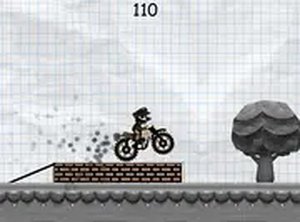
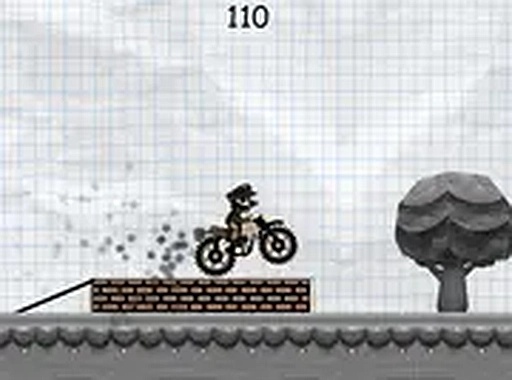
Stages are built as 2D environments with platforms that rise and fall. Ramps appear at varying angles, requiring players to lift the front wheel at just the right moment. Gaps in the terrain demand a short burst of speed and a controlled landing. Barriers block certain paths, forcing riders to choose between braking or finding an alternate route. Later stages introduce tighter spacing and steeper inclines, gradually raising the difficulty without feeling unfair.
Progression and Difficulty Curve
The game opens with a few simple stages that let newcomers get comfortable with the controls. After the first handful of levels, the complexity grows. Obstacles appear in quicker succession, and the terrain becomes less forgiving. This ramp-up rewards players who take time to practice basic maneuvers. There are no lives or timers to pressure you, so each stage can be attempted repeatedly until the correct rhythm is found.
Visual Style and Feedback
The visual presentation is clean and straightforward. The rider and bike are drawn with simple shapes against contrasting backgrounds, making obstacles easy to spot. When the bike tips too far forward or backward, the screen tilts slightly to reinforce the sense of imbalance. A small indicator shows the current angle of the front wheel, helping players learn how their inputs affect the bike's position. This feedback loop is essential for building muscle memory.
Accessibility and Platform Support
Two-Wheel Balance Runner runs entirely in a web browser without any downloads or installations. It works on desktop computers with keyboard controls and on mobile devices through touch input. The interface adapts to smaller screens, keeping buttons large enough to tap accurately. Because it requires no account creation or payment, players can jump into a stage in seconds and stop just as quickly. This makes it a good fit for short sessions during breaks or longer practice runs.

Comments
Sign in to leave a note
You must be logged in before posting a review or rating.
No account? Create one
No comments yet. Be the first to comment!