
Arithmetic Defense Maze
Review
Arithmetic Defense Maze succeeds where many educational games fail: it makes math feel essential rather than forced. The core loop of placing defenses and solving problems to power them creates genuine tension. Players must think ahead about unit placement while also staying ready to answer quickly. The gradual difficulty curve ensures newcomers are not overwhelmed, while later waves demand real skill. The clean interface works well on mobile, making it a solid choice for quick sessions. For anyone seeking a puzzle game that sharpens the mind without feeling like homework, this is a strong pick.
About
Core Gameplay Loop
Arithmetic Defense Maze combines two distinct skill sets: spatial planning and mental arithmetic. Players watch as waves of opponents move along a predetermined route toward their base. The primary action involves selecting a location on the map and placing a defensive unit. However, each unit does not function automatically. To power it up or enhance its capabilities, the game presents a simple arithmetic equation. The player must type the correct answer within a short time. A correct response boosts the unit's effectiveness, while a wrong answer leaves it weaker. This mechanic ensures that every defensive decision is tied directly to the player's math ability.
Resource Management & Upgrades
Success in Arithmetic Defense Maze depends on how well players allocate their limited resources. Defeating incoming opponents yields points or currency. These resources can be spent in two main ways: purchasing new defensive units or upgrading existing ones. Upgrading a unit often requires solving another math problem, with harder problems granting greater power boosts. The game does not allow unlimited spending, so players must decide whether to spread defenses across the map or concentrate on a few strong points. This resource balancing act adds a layer of strategic depth beyond simple math drills.
Difficulty Progression
The challenge in Arithmetic Defense Maze increases gradually but noticeably. Early waves feature slow-moving opponents and simple addition or subtraction problems. As the player advances, opponents become faster, more numerous, or more resilient. Correspondingly, the math problems grow more complex, introducing multiplication and division. This progressive difficulty ensures that players cannot rely solely on memorized answers. They must adapt their mental math speed and accuracy to keep up with the escalating threat. The game rewards consistent practice and quick thinking.
Visual & Interface Design
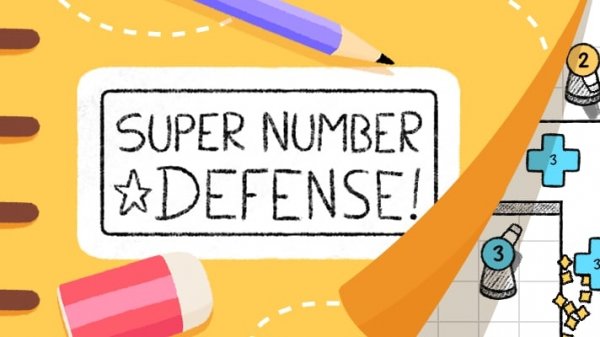
The game presents a clean, straightforward visual style that prioritizes clarity. The path, base, and defensive units are clearly marked, making it easy to see where opponents are coming from. The math problem appears in a prominent pop-up window, with a simple input field for the answer. Color coding helps distinguish between different unit types and their upgrade levels. The interface works well on both desktop and mobile browsers, with touch controls that feel responsive. This minimalist approach keeps the focus on the core puzzle and strategy elements without unnecessary distractions.
Educational Value
Arithmetic Defense Maze serves a dual purpose: entertainment and skill development. The game naturally encourages players to practice basic arithmetic under time pressure, which can improve mental calculation speed. Because math problems are tied directly to gameplay success, players have a strong incentive to answer correctly and quickly. This format is especially useful for children or adults who want to sharpen their number skills in a fun, low-stakes environment. The game does not feel like a classroom drill; instead, the math is woven seamlessly into the tactical decision-making process.



Comments
Sign in to leave a note
You must be logged in before posting a review or rating.
No account? Create one
No comments yet. Be the first to comment!