
Tower Builder: Rolling Stack Quest
Review
Tower Builder: Rolling Stack Quest turns a simple stacking idea into a genuinely engaging experience. The way speed increases with height creates a natural tension that keeps each run interesting. Course designs are varied enough to encourage repeated attempts, and the clean visuals make it easy to focus on the action. It is a perfect pick for anyone wanting a quick, thoughtful game that respects their time.
About
Core Gameplay Loop
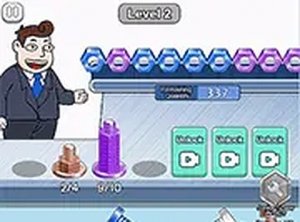
In Tower Builder: Rolling Stack Quest, players take control of a character that rolls forward automatically. The main action revolves around collecting items scattered along the path. Each collected item adds to a vertical stack on top of the character. The goal is to reach the end of each course with at least one item still in the stack. If the stack is completely depleted by hazards, the run ends. This simple setup creates a satisfying loop of gathering, avoiding, and progressing.
Obstacle Navigation
Courses are designed with various hazards that remove items from the stack. Some obstacles are stationary, while others move or appear suddenly. Players must time their movements carefully to slip past these dangers. There are also safe zones where items can be collected without immediate threat. Using these areas to build up a buffer is a key part of successful navigation. The layout of each course encourages repeated attempts to learn the best routes.
Speed and Stack Dynamics
As the stack grows taller, the character's forward speed increases. This change in momentum adds a layer of complexity. A taller stack means faster movement, which can make avoiding hazards more difficult. Players must decide whether to collect every item they see or skip some to keep the stack manageable. This risk-reward balance keeps each session engaging, as players weigh the benefits of height against the challenge of control.
Visual and Audio Style
The game features bright, colorful visuals that make the courses easy to read at a glance. Characters and obstacles are designed with a playful, cartoon-like aesthetic. Sound effects provide clear feedback for item collection and hazard contact. The overall presentation is clean and uncluttered, helping players focus on the action without distraction. This style makes the game accessible to a wide audience, including younger players.
Progression and Replayability
Each course offers a distinct layout with its own set of hazards and item placements. Players can revisit earlier courses to improve their performance and aim for higher scores. The game tracks progress through a simple level-based system. Unlocking new courses requires completing previous ones with at least one item remaining. This structure provides a clear sense of advancement while encouraging mastery of each course's unique challenges.
Learning Curve and Accessibility
The controls are straightforward, requiring only timing and directional input. New players can grasp the basics within a few attempts. The difficulty increases gradually, introducing new obstacle types and more complex layouts as players advance. This gentle learning curve ensures that the game remains approachable for beginners while still offering depth for those who want to refine their skills. The short session length makes it easy to pick up and play for a few minutes at a time.









Comments
Sign in to leave a note
You must be logged in before posting a review or rating.
No account? Create one
No comments yet. Be the first to comment!